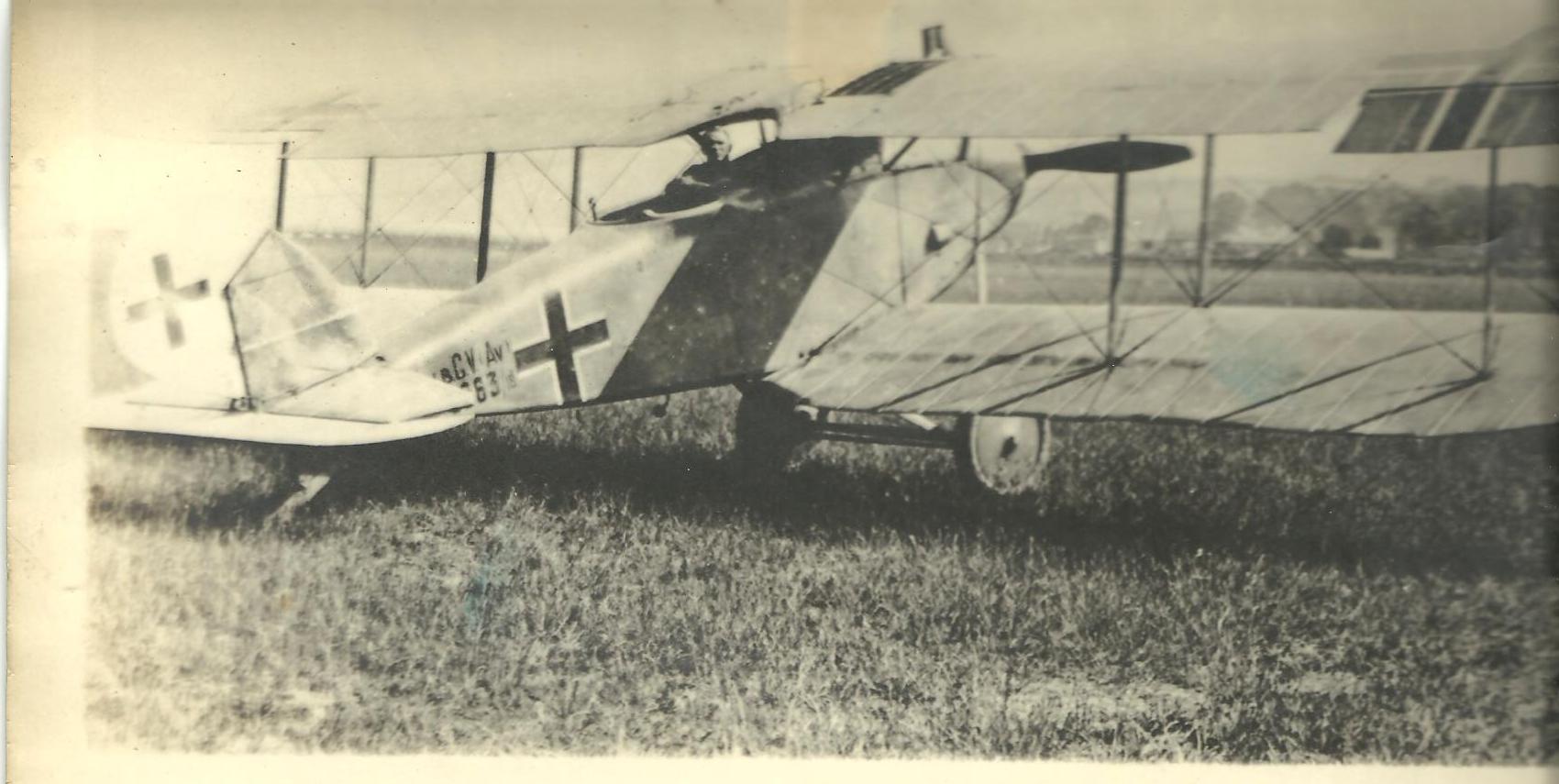


Adultery has been the seventh sin in the Ten Commandments for two thousand years- except for 1631. In that year the King James Bible was published in London which stated, “thou shalt commit adultery.” Needless to say King Charles I and his bishop were livid; woe to the printer.
Robert Barker was the Royal printer, so his mistake was on a grand scale. He was not alone; with him on this blunder was a fellow publisher Martin Lucas. Coupled with forgetting ‘not,’ was an even greater mistake. Deuteronomy 5:24 reads: “Behold, the LORD our God hath shewed us his glory and his greatness.” The 1631 Bible exchanges greatness for great asse; the type setters were dancing with sacrilege Little wonder this Bible has developed the nick name: ‘Sinners Bible,’ Adulterers Bible,’ or the ‘Wicked Bible.’
 This was not the first, and certainly not the last time that publishers would make a mistake in the Bible; it happened in almost every edition. What mattered was the extent of the blunder. Replacing a he, for a she might be excusable, but one Bible in the 1600s stated that, “The fool hath said in his heart, there is a God.” It is a rather more extreme mistake.
When the ‘Wicked Bible’ was printed, it was only twenty years since the King James original edition had been released. There were many objectives for having a new Bible printed under James’ reign: as a new monarch, the new Bible would be a testament to his leadership; the Puritans were calling for a continued reformation of the church- they were smart and powerful enough not to be ignored; church leaders wanted one clear English Bible that would overshadow the established Genevan Bible that was respected by educated English subjects (it was Shakespeare’s Bible).
After seven years of scholarly debate and discussion at Hampton Court, the Bible was ready to be printed in 1611. It is said that Baker bought the rights to the Bible for 3, 500 pounds. He shared the cost of publishing the Bible with at least one rival – Bonham Norton, who was in the publishing business; this partnership would ultimately be his undoing.
Why did these men want to publish the Bible? They had a monopoly: this means that any English person or institution that wanted a King James Bible had to buy it from them; a lucrative business in an age of God-fearing subjects. Coupled with this, was the Puritan desire that everyone should have access to God’s word; a good time to make and sell Bibles.
 In 1613 Barker decided to re-publish the Bible; possibly with corrections (although some of them remained). Unfortunately there was a problem with Matthew 26:36. Rather than Jesus going with his disciples, the word Judas has been written; yet another blunder by Robert Baker. A copy of this Bible can be found in St. Mary’s Church, Totnes, Devon.
During the time between the ‘Judas Bible’ and the ‘Wicked Bible’ Barker raised his prolific nineteen children. One daughter Sarah, married his rival Bonham Norton’s son. But fate would not be kind to Barker. In 1631 he would suffer embarrassment over the ‘Wicked Bible.’ He and Martin Lucas were forced to pay 300 pounds in fines. There are suggestions that the mistake was an attempt at sabotage; possibly by his rival and now relation Bonham Norton.
Whatever the reason for the mistake, Baker’s fortune quickly fell. His second wife died the same year the ‘Wicked Bible’ was published. Four years later his son and partner would die, along with another son and daughter- in-law. Norton accused him of taking a bribe. That same year he was put into prison for debts.
He would die ten years later in prison; an unfortunate ending to the man who had brought the King James Bible to the world of print.

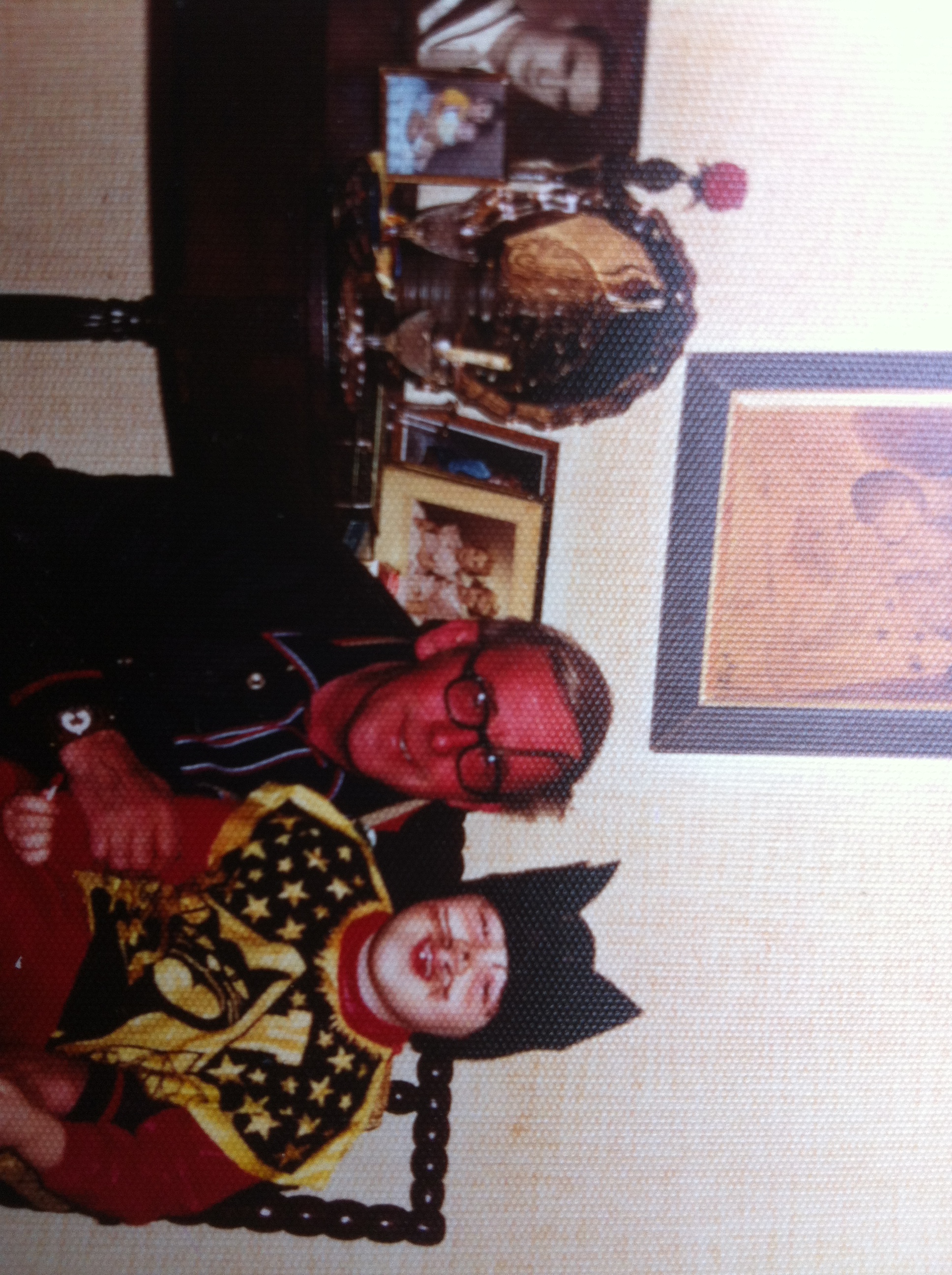 My mother said that I cried uncontrollably the day she told me I was adopted. “You mean that someone didn’t want me?” I asked through sobs. “No, it means that we wanted you,” she answered. I was three.
I don’t remember if it made me feel better then, but it gives me comfort now. I never doubted that my parents wanted me. In fact, my father would never admit that I was adopted. Somehow, his silence was as much an affirmation of my bond with him as my mother’s openness to talk about it.
I grew up with his tales of England: the bombing of Yorkshire, steeple chasing, his mother fighting off teens attacking an old policeman during the war. He called himself a missionary to Canada. I remember laughing at him saying it, but now the meaning behind the word is lost. What was he trying to preach; the love of his country? Even if he wasn’t trying, his stories held me enthralled. I developed many of his British words: brolly, chips and a strange way of saying garage that can still make most people laugh. My father’s love of England, and his culture was mine.
One day on a visit to the hospital where my father was dying of pancreatic cancer, I walked in while the doctor was there.
“Ah this must be your daughter!” the man said cheerfully, “Your father is always talking about you. He says such wonderful things!” Now I know that most parents speak well of their children, but there seemed to be a different dynamic between my father and I. He was my champion; when I walked in the room his face lit up. I felt the same. Every time I heard the bus stop outside of our home, my heart would leap at the thought it might be dad. After the doctor spoke these words, a shadow passed over my father’s face. “I will do it for as long as I can,” he looked down. We both knew what this meant- his nearing end. Even now, writing this so many years later, the tears flow. He didn’t really go; my daughter knows about him, calls him granddad. I can hear his jolly laugh and can remember the way it felt to hug him.
In a quiet moment he asked that I scatter his ashes on the Yorkshire moors; a true testament to the country that he called home.
In a strange twist of fate, I now find myself exploring the possibility of calling England my home. There is little doubt that the initial connection with my new British love came from my bond with my father and his stories of Yorkshire.
Just recently, I found out that because I am not the blood child of my father, I have no claim to his homeland. This will never change the way I feel about dad; he will always be my hero. But it has changed the way I feel about being adopted. It saddens me to think that the British government interprets only biological family as worthy of status. I was privately adopted; my parents took me home from the hospital the day after I was born. They are, and will always be, my parents.
I have never faced any negative feelings about being adopted; most people didn’t know. Those who did know accepted it as part of who I was. I would be lying if I didn’t admit that it hurts to be rejected by the country that my father loved simply because I am not his biological child, but with or without a piece of paper no one can take away the connection that we shared.

![IMG_3466[1]](https://brushedwithmystery.com/wp-content/uploads/2013/03/img_34661.jpg)



 Brushed With Mystery