
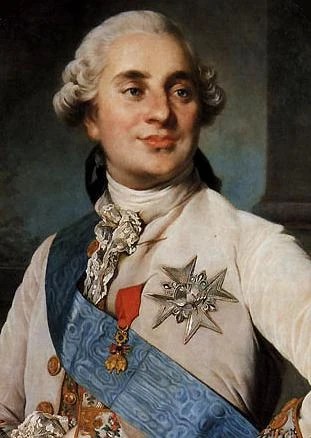
 When Louis XVI died at the guillotine on January 21, 1793 it was said people dipped their handkerchiefs in his blood. I had always considered it more myth than legend- until I did some research.
I had to look up the word- calabash. It is a hollowed out gourd that is used to hold small keepsakes; a strange item to hold the blood of a king, but that is exactly what it contains. Writing on the gourd claims that a Parisian by the name of Maximilien Bourdaloue dipped his handkerchief in the blood of Louis XVI after his execution at the guillotine.
 After a three year study, a report posted in the Journal of Forensic Science International claims to have enough evidence to assert that the calabash indeed holds Louis XVI’s blood.
Scientists had found the DNA on the cloth three years ago, but the challenge was that there was no living family member of Louis XVI. His only surviving child from the French Revolution, Marie Thérèse, died childless in 1851. They could identify certain physical characteristics from the DNA- such as blue eyes.
Then a mummified head was found in a retired tax collector’s home in 2010. It was bought at an auction and further evidence supports that it was Henry IV, king of France from 1589-1610. Raised as a Protestant, he was assassinated by Francois Ravaillac, a fanatical Catholic who had visions of converting the king. When persuasion failed, Ravaillac turned to regicide. This murder seems to be show a stunning similarity to the assassination of Archduke Franz Ferdinand; a strange combination of traffic problems mixed with opportunity. For his crime Revaillac was drawn and quarted, and his family was exiled.
HenryIV was buried properly, but exhumed during the French Revolution. In 1793 all royal graves were desecrated at the Basilica of St Denis in the attempt to wipe out the memory of royalty. But someone, for whatever reason, kept his head.
 This head was the key to authenticating the blood of Louis XVI. The historic men were of the same bloodline, and by looking at the DNA of these primary specimens, a connection might be made. Belief was authenticated by science. Both DNA authenticates that the men share the same paternal line.
It is ironic, that the events of the French Revolution ended Louis XVI’s life, but also supplied to possibility to authenticate his blood. What strange things people collect!

![IMG_3177[1]](https://brushedwithmystery.com/wp-content/uploads/2013/01/img_31771.jpg?w=137&h=240)
 Not all were satisfied. The royal bedchambers were breached the next day. Palace guards who attempted to defend the royal household were beheaded on the spot. Their head’s were put on pikes, and paraded around the palace. Marie Antoinette and her maid narrowly escaped attack, seeking safety in the king’s bedchamber.
 It was well known that they disliked the queen: she was Austrian and believed to be responsible for the king’s sumptuous appetite. If there ever was a dramatic moment for a movie, it would be this one. Everyone must have believed that this was Marie Antoinette’s last moments- herself and the king included. Did he fight to return to the balcony? Did someone stop him? What could be going on in her mind? Certainly the mob was armed and angry and there she stood before them- each sizing up the other.
 It has been on my mind for days now. The details that I can obtain from the story are sketchy at best, a 23 year old woman in New Delhi India was raped by six men on a bus and died later in hospital. Why did we in Canada hear about it? Women and men are raped every day. Possibly because of the brutality of the rape; it might speak to a systemic problem in the protection and safety of women; how the law treats the attackers of this young woman and her companion is certainly an issue.
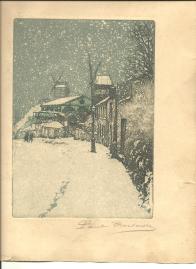


 He was a Renaissance man- a polymath in the company of Leonardo da Vinci and Johann Wolfgang van Goethe. A law student who wrote poetry in his free time, he would go on to become an eminent medical doctor and literary icon that happened to invent in his free time.
 Holmes was also credited with a word we know today- anesthesia. It is a combination of two Greek words that mean ‘without sensation’. It was adopted in 1846 after a correspondence between Holmes and William Morton, the dentist who had performed the historic first public demonstration of diethel ether as a general anesthetic to manage the pain of tooth extraction. This was an important step in the road to pain management in medical intervention.
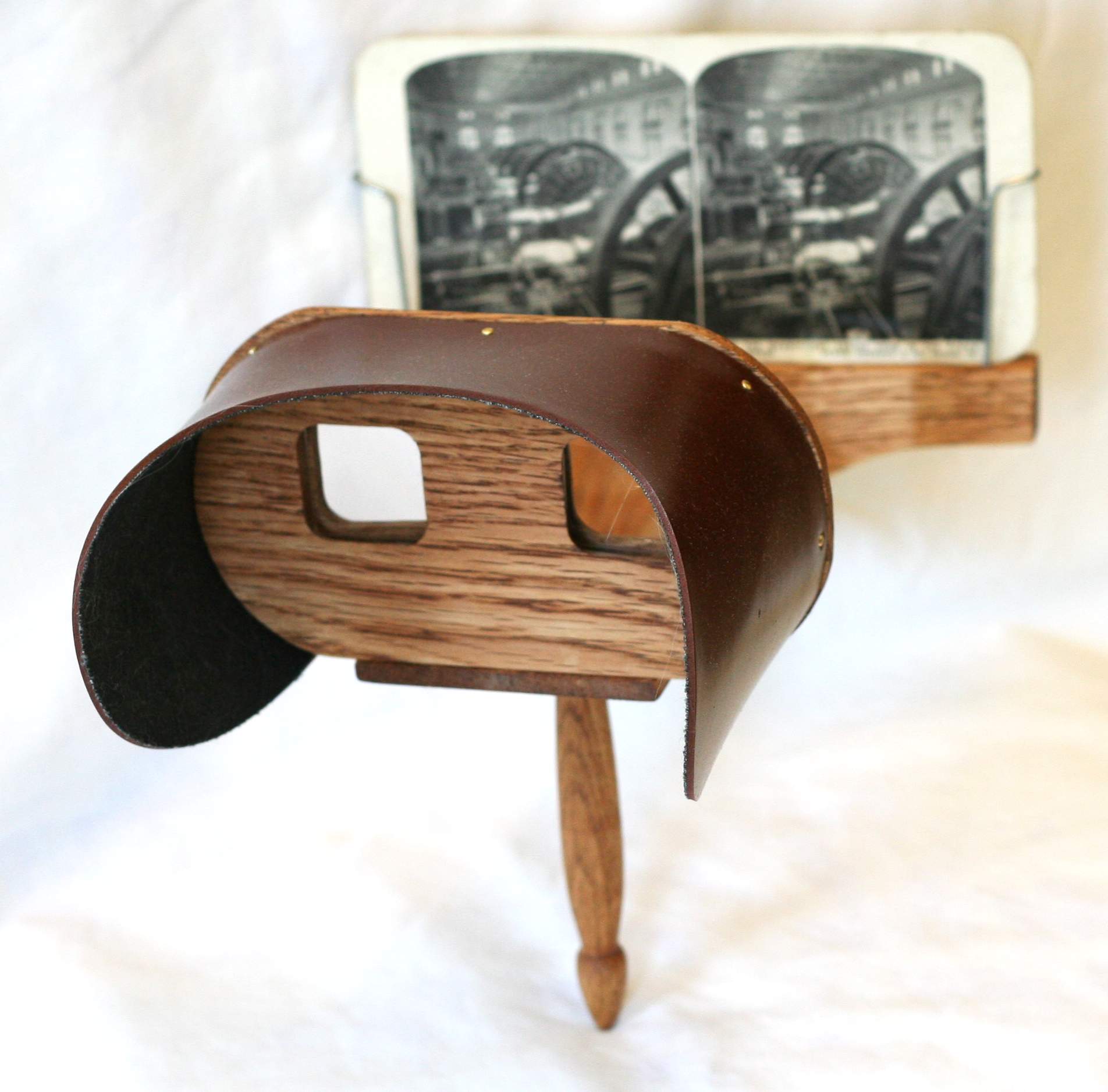 The American stereoscope was invented by Holmes. This was a handheld nineteenth century version of a children’s view- master. A person places a binocular- type lens up to their eyes and two pictures are present, providing a 3-D effect. Surprisingly Holmes didn’t patent this invention.

 Brushed With Mystery